

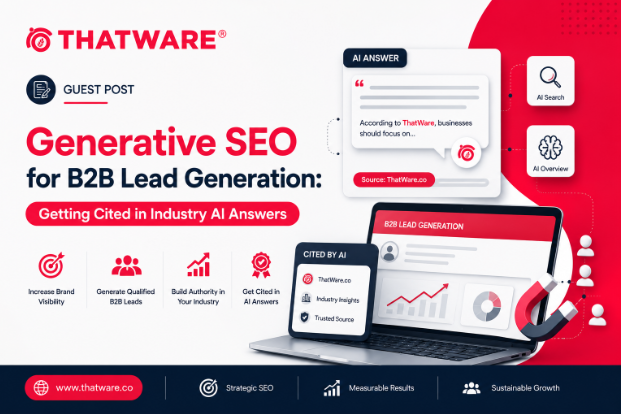
B2B lead generation has always been a long game. Long sales cycles, complex buying committees, careful vendor evaluation — the whole process unfolds over weeks or months, not minutes. Content marketing and SEO in B2B have always been about establishing authority and trust over time, not capturing transactional intent in the moment.
That fundamentally patient, trust-building orientation actually maps quite well onto what generative SEO requires. The same things that make a B2B brand a trusted source for human buyers — genuine expertise, authoritative coverage, demonstrated track record — make it a trusted source for AI systems too.
How B2B Buyers Are Using AI in Their Research
The B2B buying process has incorporated AI tools faster than many marketers expected. Procurement teams are using AI assistants to conduct preliminary vendor research, compare solution categories, and generate shortlists before they ever visit a vendor’s website directly.
“What are the leading platforms for enterprise data governance?” “What should I look for in a cybersecurity incident response vendor?” “Compare the top three approaches to B2B marketing automation.” These are the kinds of questions buyers are asking AI systems — and the brands that appear in those AI-generated answers are getting onto shortlists that never publicly existed before.
This is a lead generation channel that doesn’t show up in referral traffic analytics. It happens before the first website visit. Which makes it both important and hard to measure — but very real.
Getting Into Industry AI Answers
The path to AI citation in B2B contexts runs through genuine thought leadership. Not the performative kind — LinkedIn posts asserting expertise without demonstrating it. The real kind: original research, detailed technical content, frameworks and methodologies that practitioners actually find useful.
B2B AI answers tend to cite whitepapers, industry reports, analyst commentary, and expert articles from recognizable names and organizations. Building that kind of content portfolio — deep, specific, authoritative, regularly updated — is the primary lever for B2B generative SEO.
Generative SEO for B2B lead generation also involves systematic distribution: ensuring that your content earns coverage in industry publications, gets cited by analysts and influencers, and builds the external authority signals that AI systems look for when selecting B2B sources.
Schema markup for B2B content has specific value: Article schema with clear author credentials, FAQ schema for common B2B evaluation questions, and Organization schema that clearly positions your brand in its solution category.
AI answer engines SEO services designed for B2B contexts focus on the full funnel: creating content that earns AI citations at the awareness stage, optimizing category and solution pages for consideration-stage queries, and building the brand authority that moves you from “cited as a category example” to “recommended as a leading vendor.” The B2B buyers who find you through AI research are already warm before they ever visit your site. That’s a pipeline worth building.